Deferred switch from kissing stent to double kissing (DK) crush stent in the left main bifurcation
Autor: Dr. José Valencia – Hospital General Universitario Dr. Balmis, Alicante.
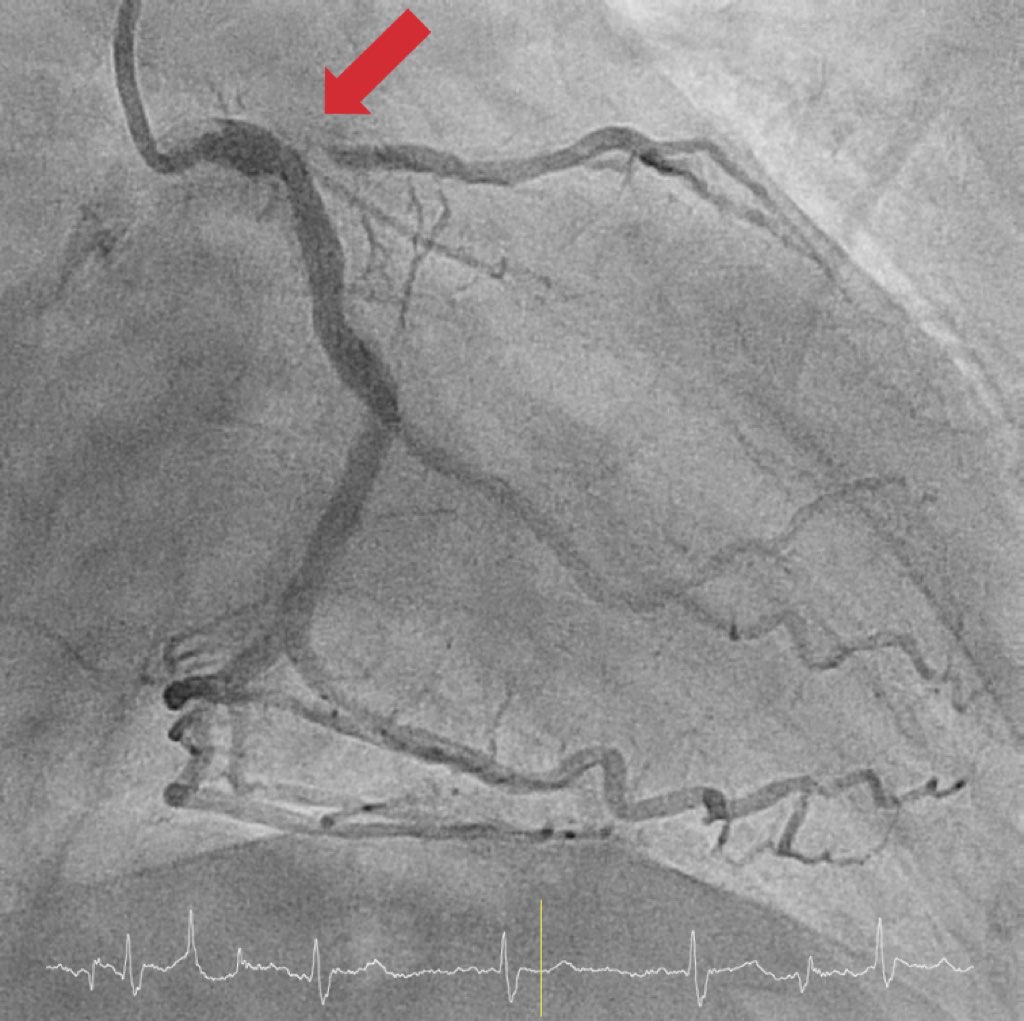
Patient Clinical History and Angio images
- Male, 88 y/o, with hypertension and past prostate cancer; paroxysmal AF treated with NOAC.
- In August 2023, presented with effort angina and positive SPECT.
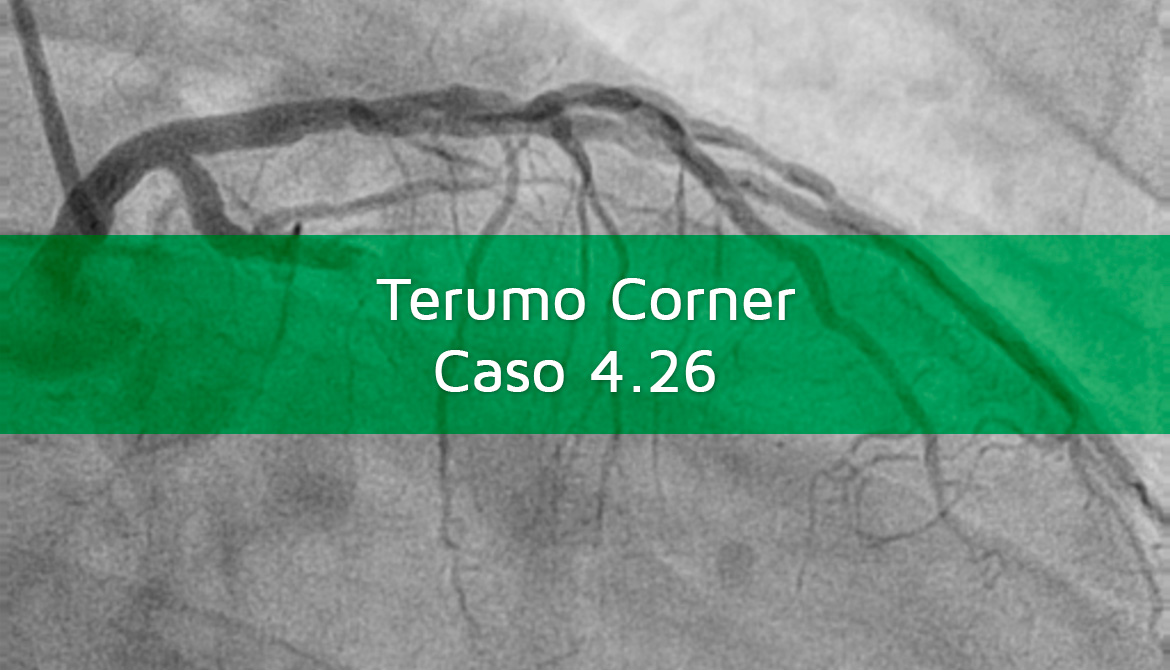
- Coronary angiography revealed left dominance, critical LAD ostium lesion, mild distal left main and ostial circumflex involvement (Medina 0-1-0).
- Underwent simplified PCI with a 3×12 mm stent in the LAD.
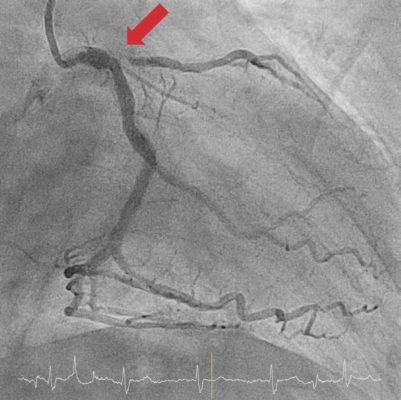
Patient Clinical History and Angio images
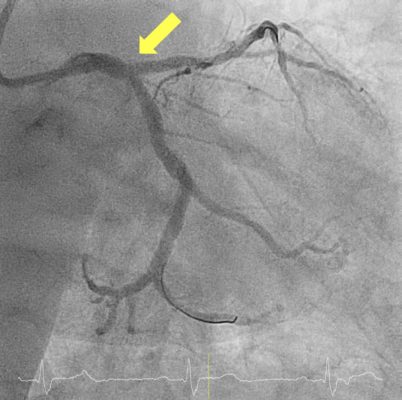
- Hospitalised for unstable angina in September 2024.
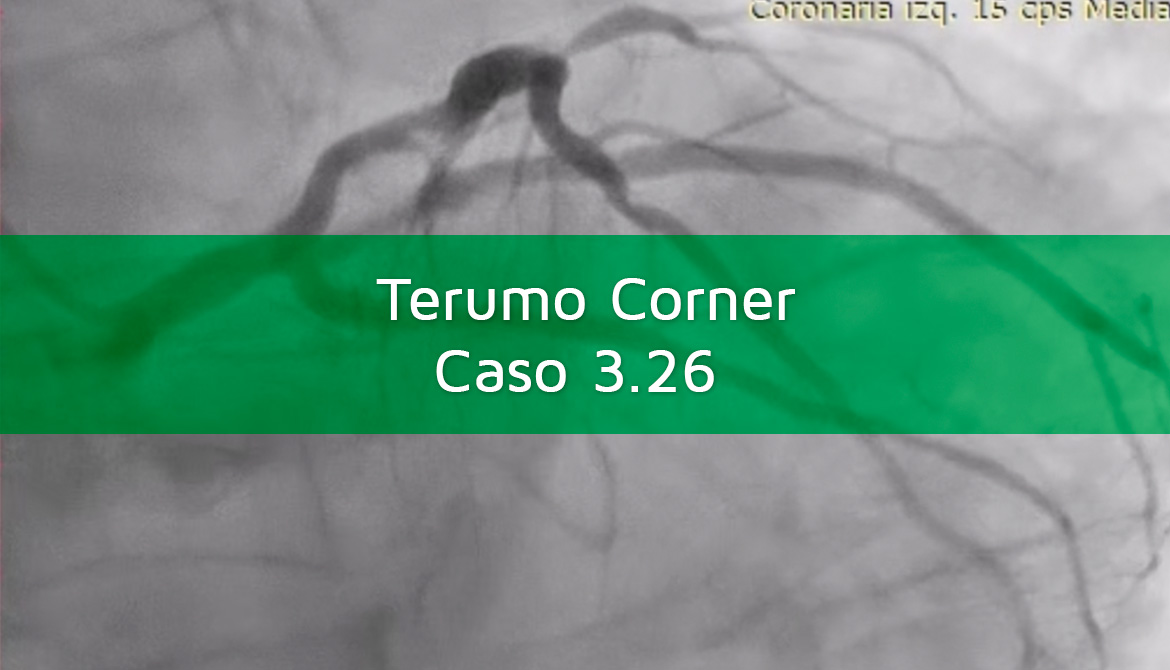
- Complex left main bifurcation lesion (Medina 1-1-1) with critical in-stent restenosis in the LAD.
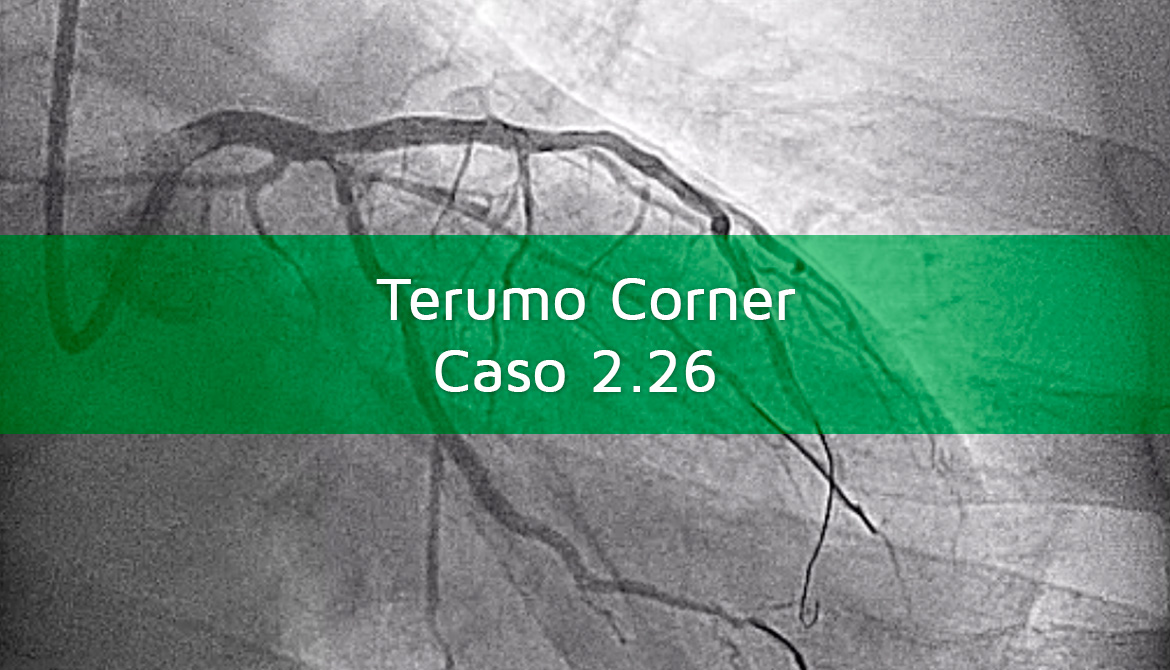
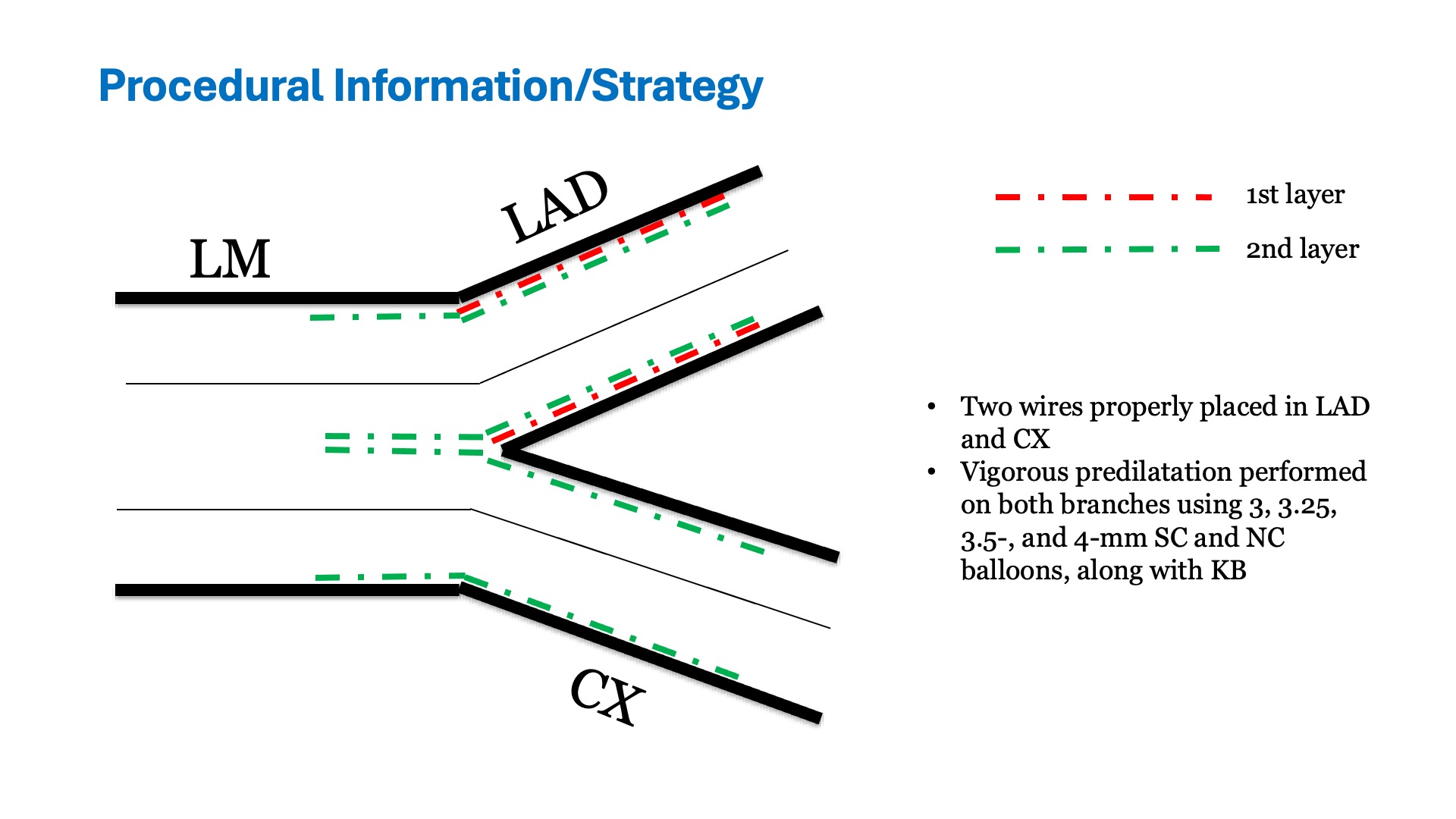
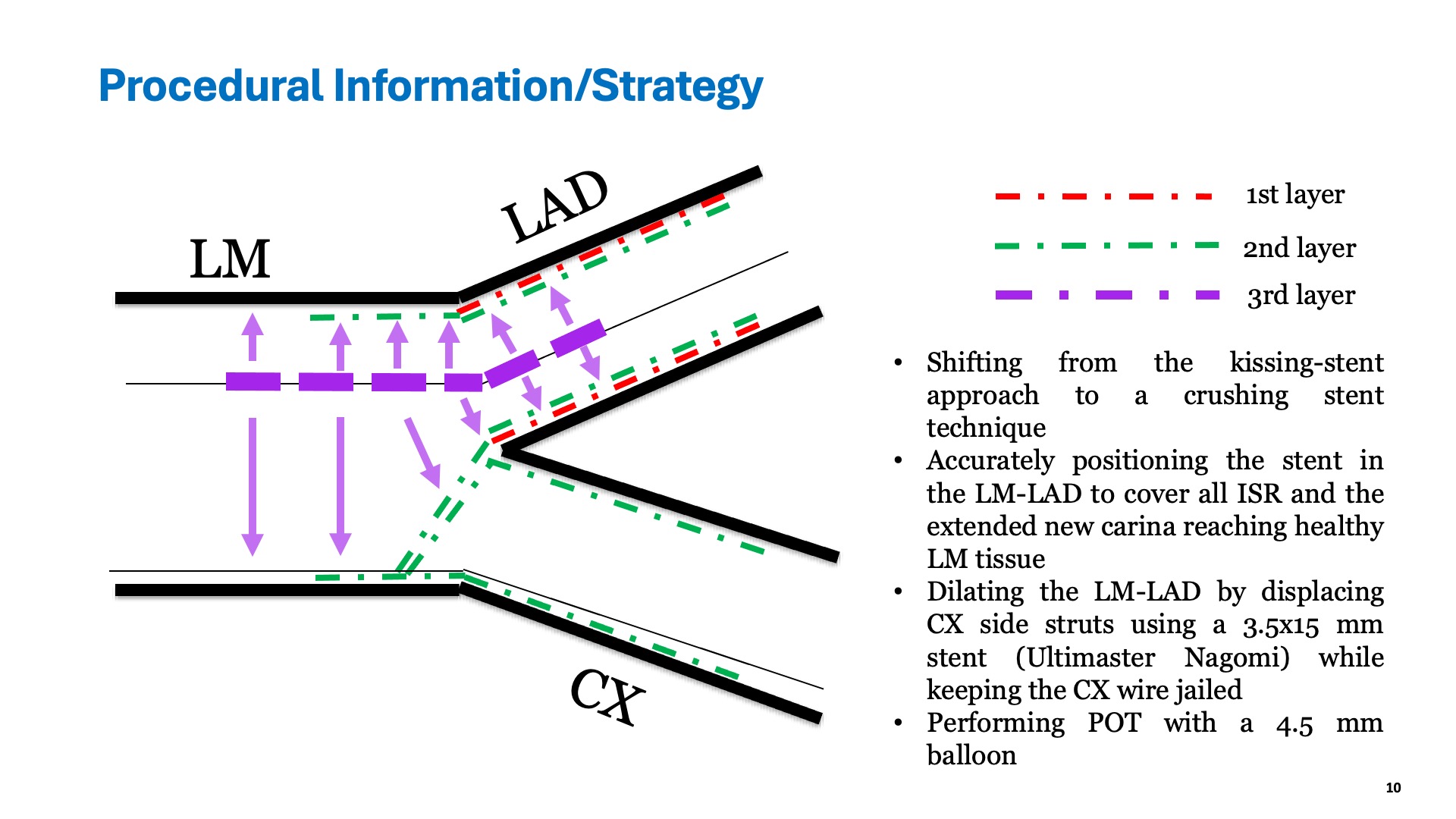
- Kissing-stent technique performed using a 3×12 mm stent in LM-LAD and a 3.5×18 mm stent in LM-CX, followed by final kissing-balloon inflation.
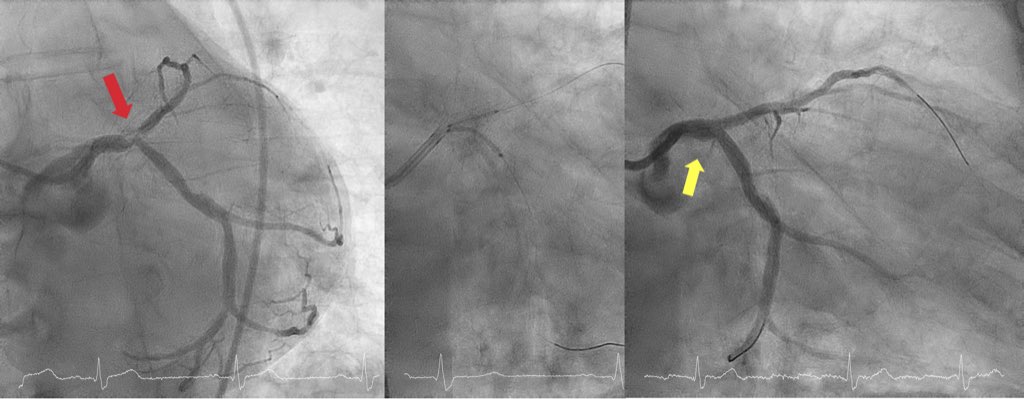
Patient Clinical History and Angio images
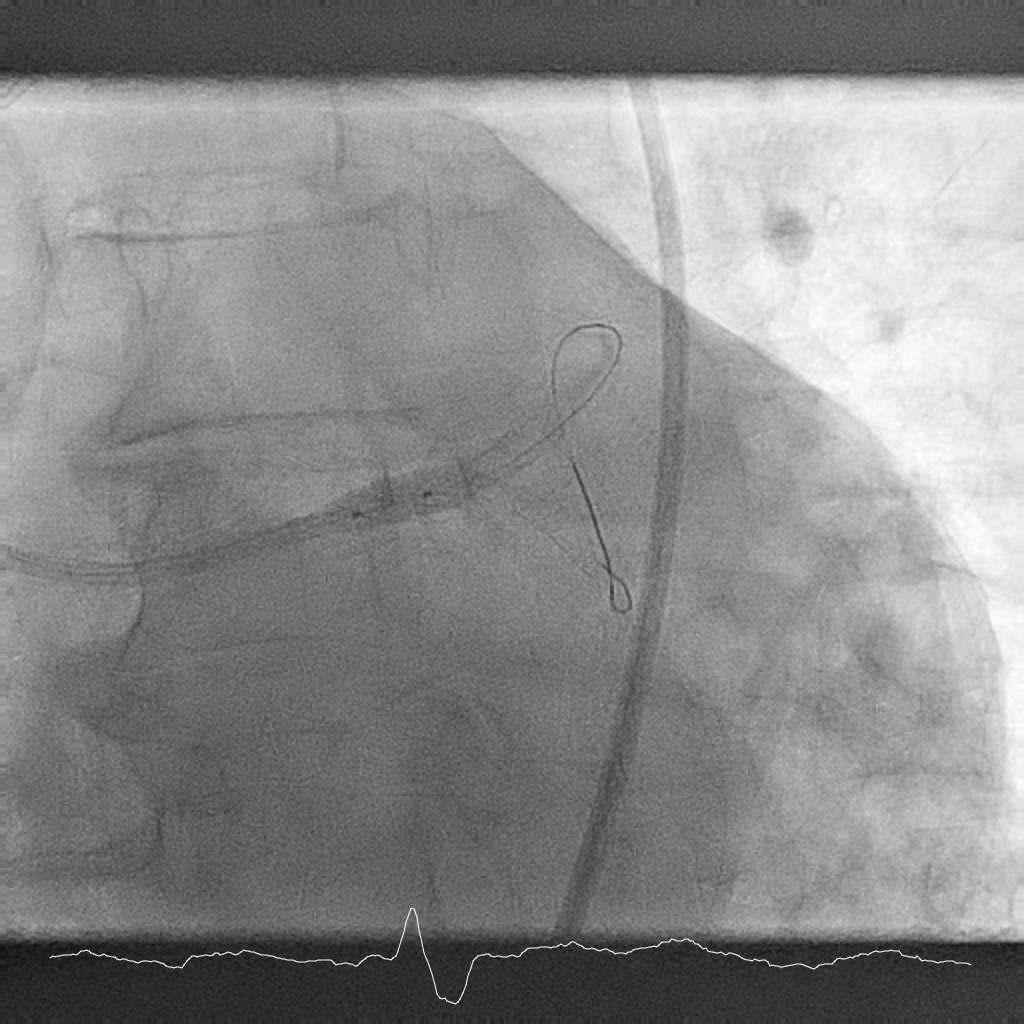
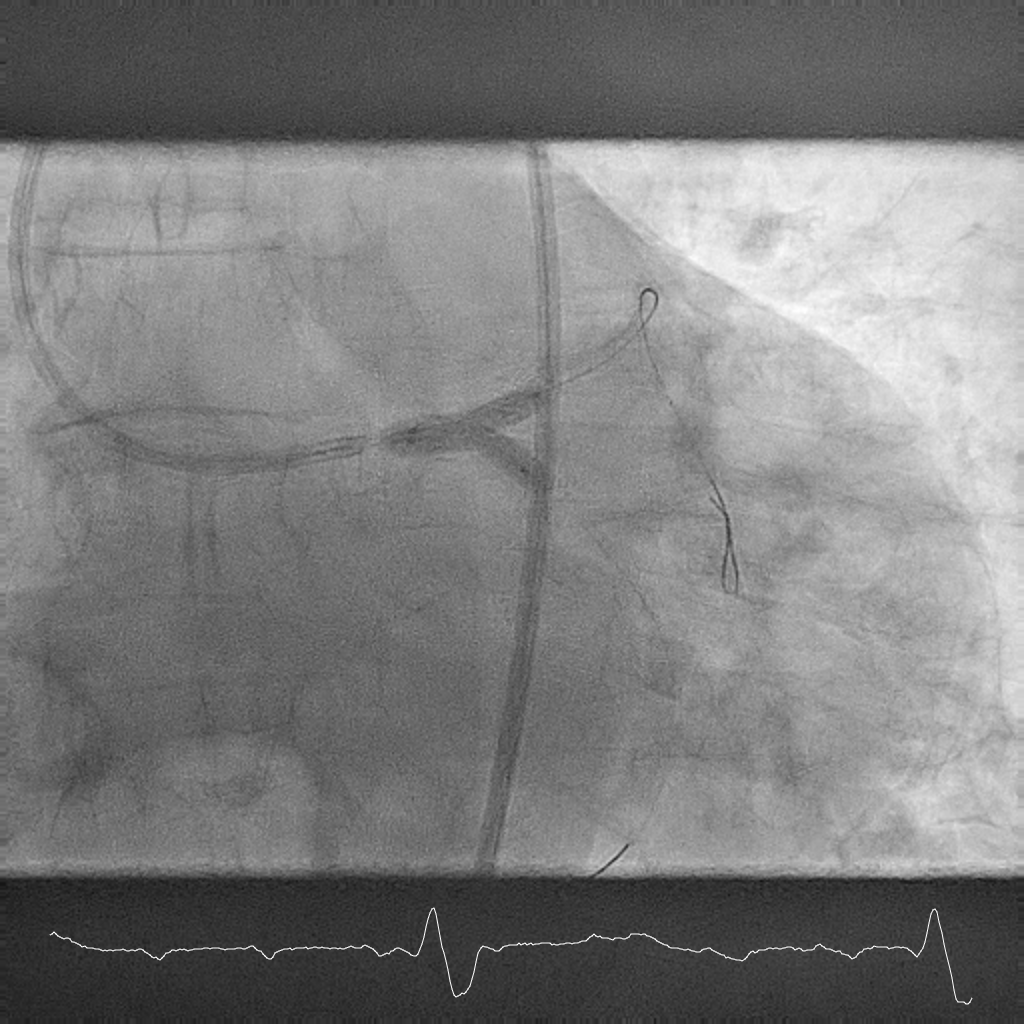
- Hospital readmission for NSTEMI in March 2025.
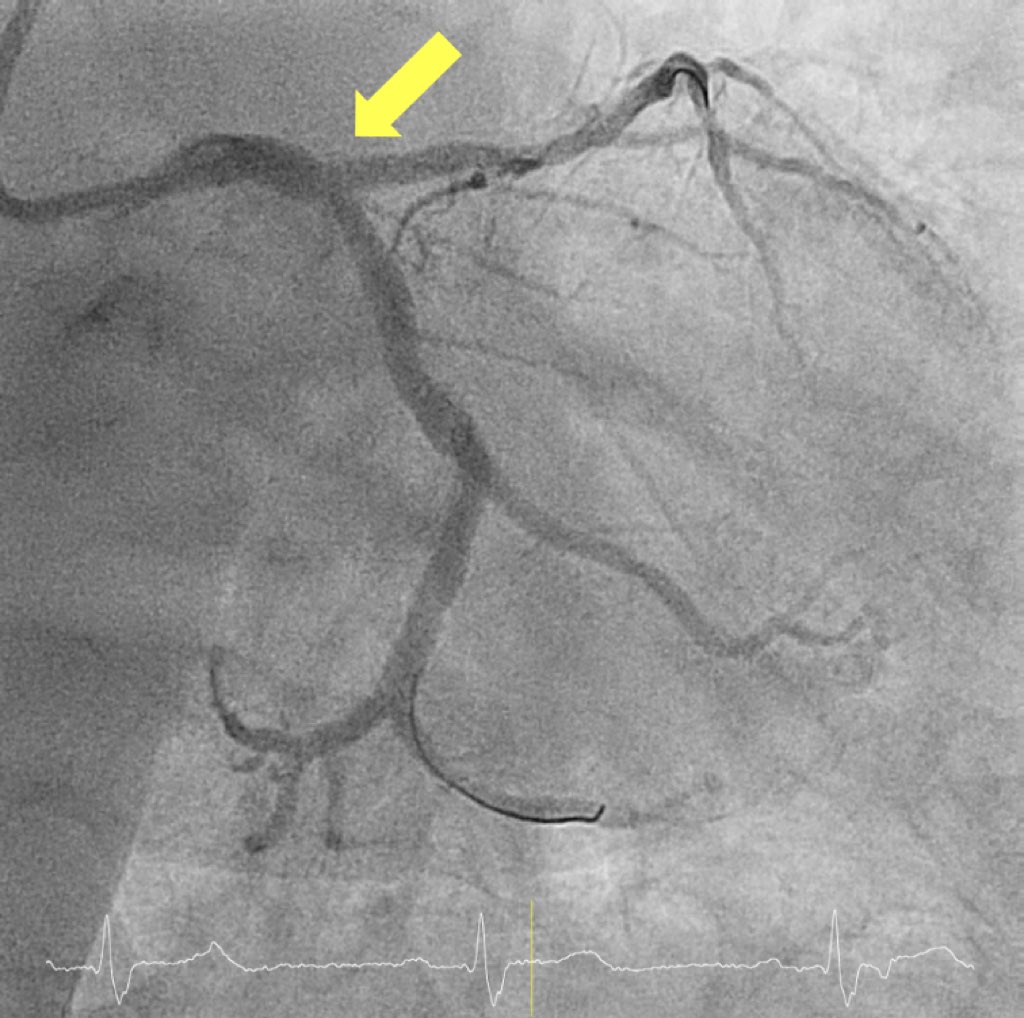
- Severe ISR in LAD and moderate to severe ISR in CX affecting distal LM.
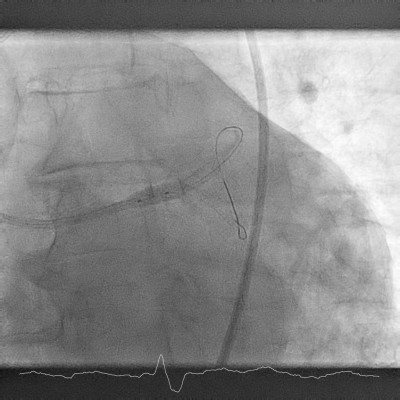
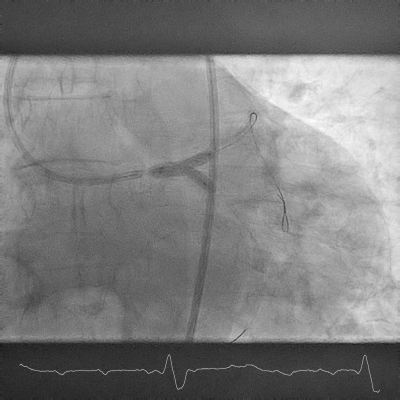
- Predilatation of LAD ISR done to aid OCT imaging for ICP guidance.
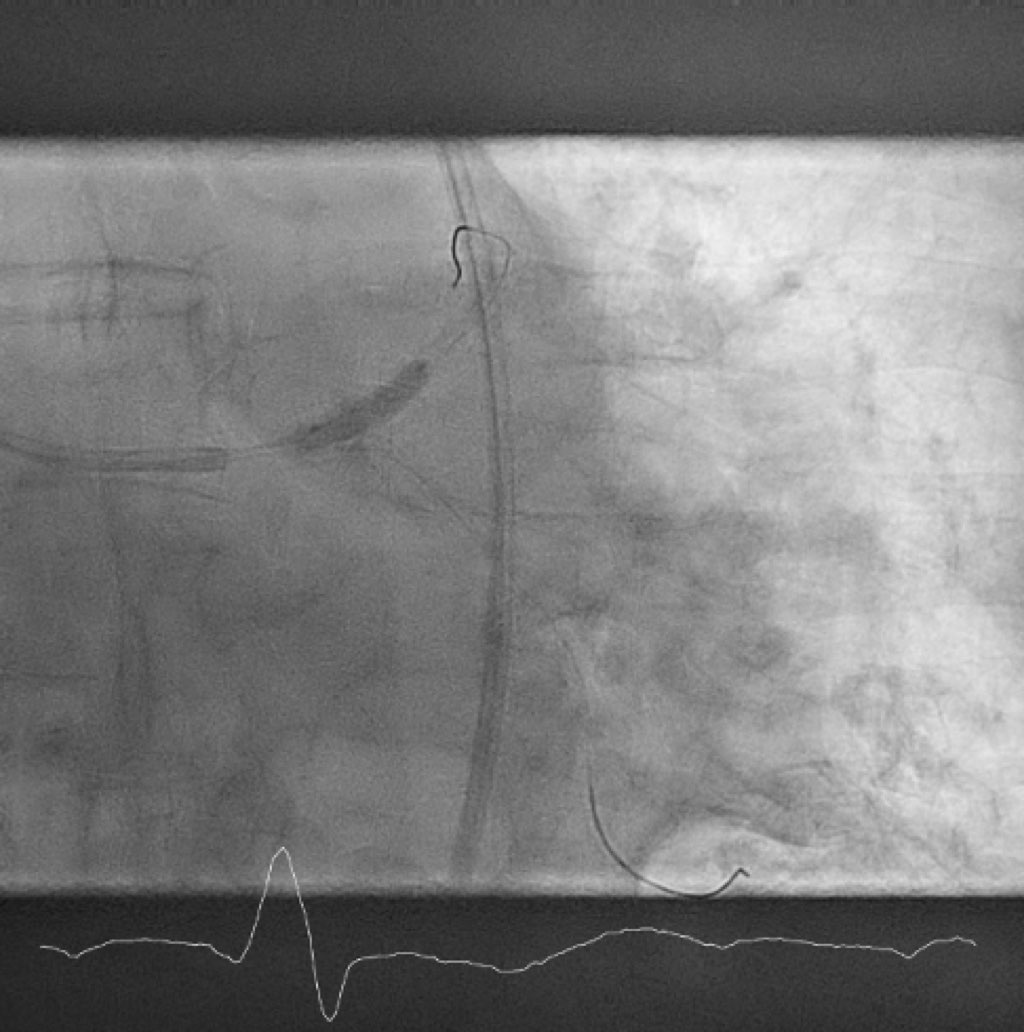
Patient Clinical History and Angio images
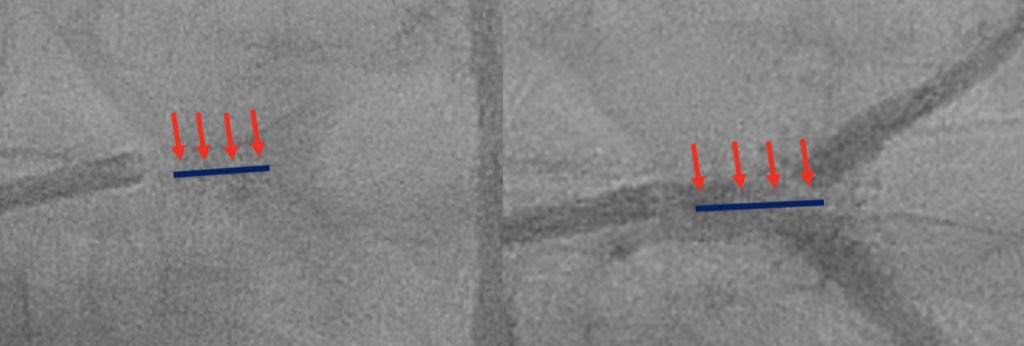
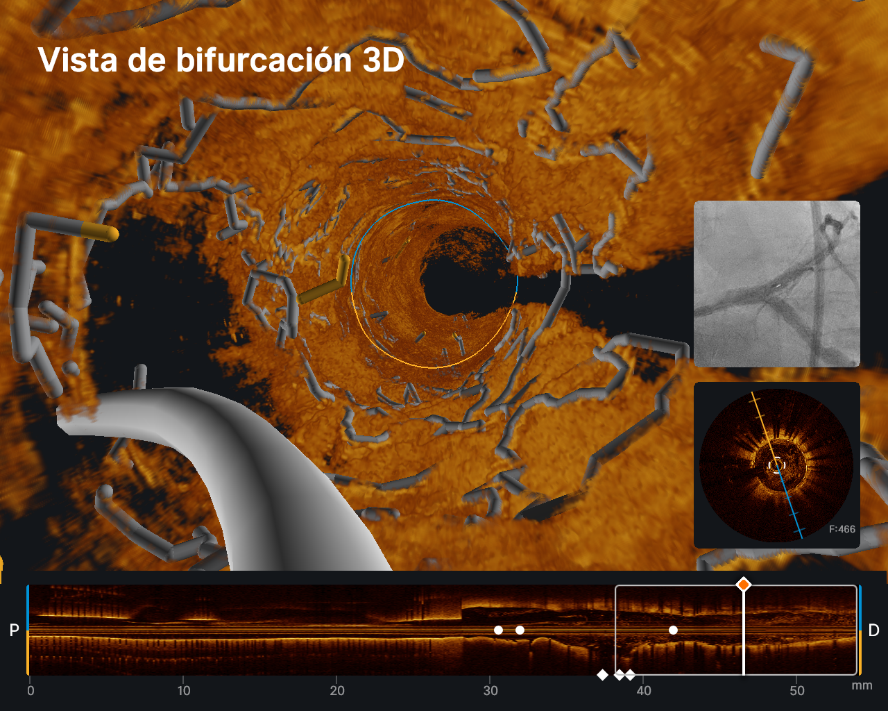
OCT Clinical Findings
LAD-LM run.
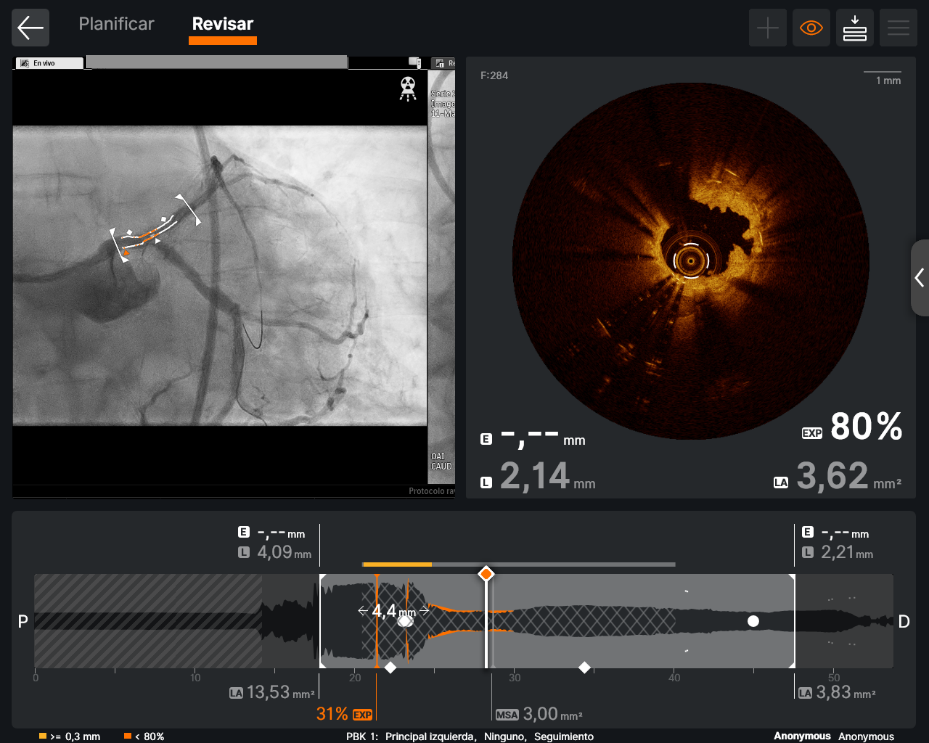
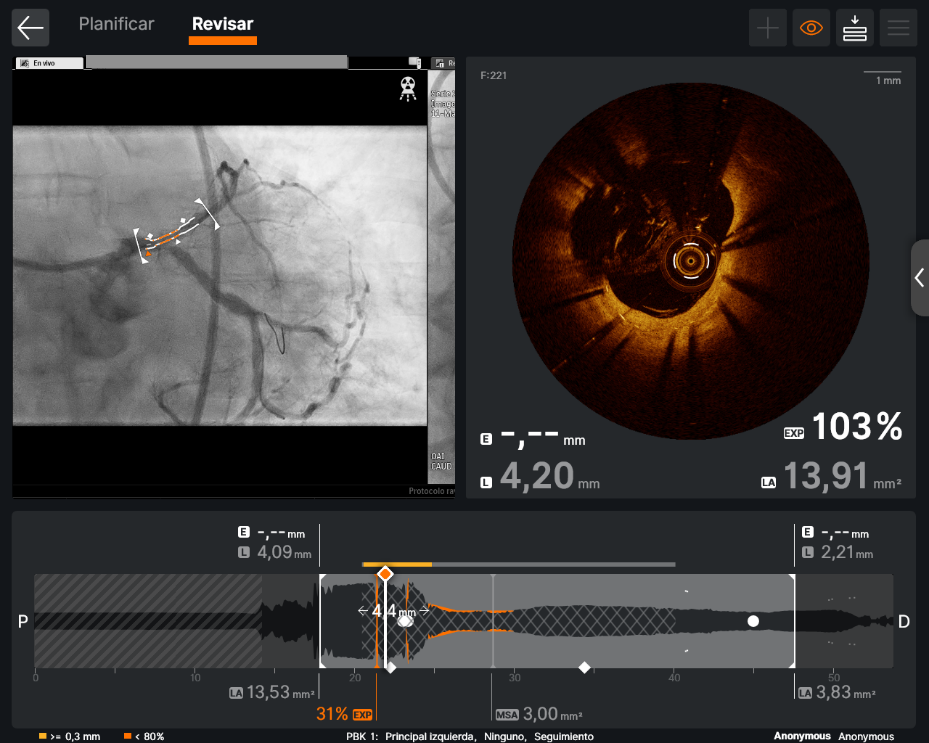
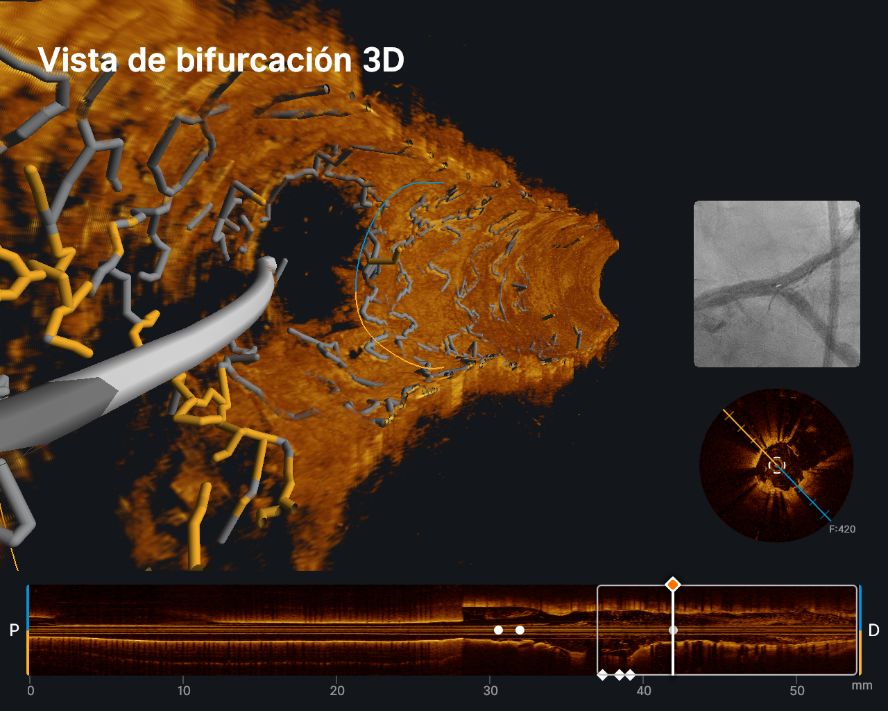
OCT Clinical Findings
CX-LM run.
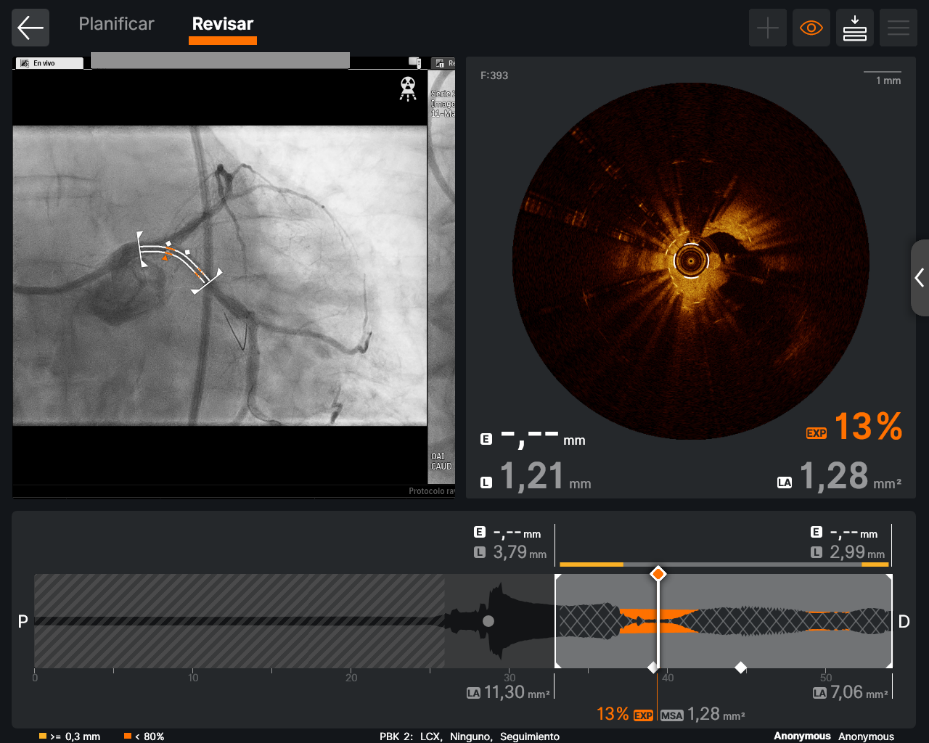
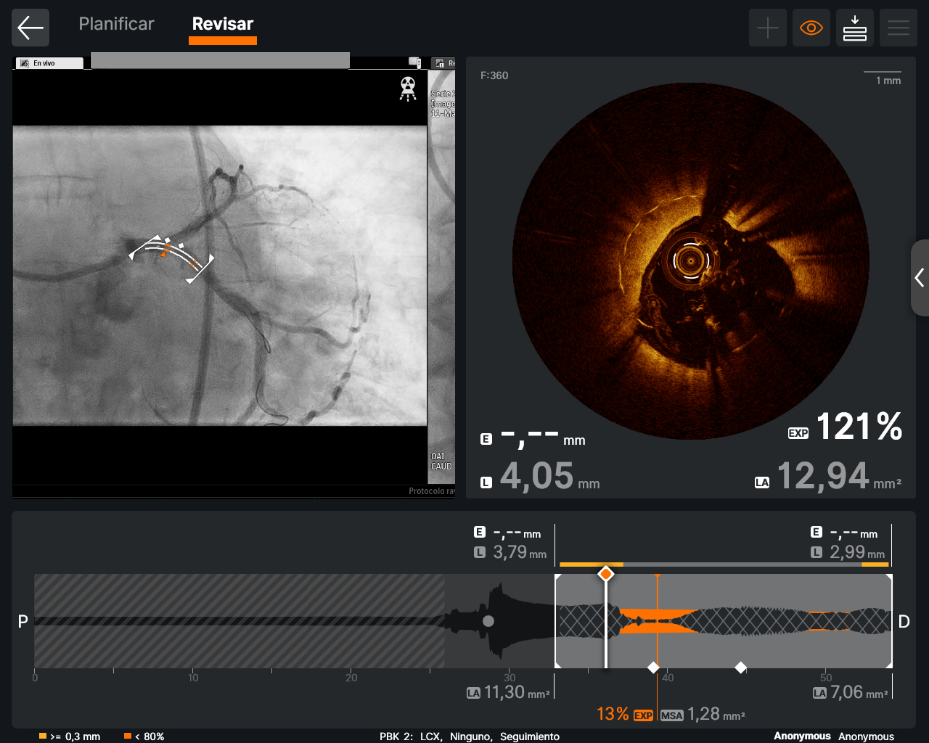
LAD-LM run
Conclusions
- The kissing stent technique can be useful in specific cases, especially for frail or highly unstable patients, due to its quick and safe approach; however,…
- Addressing stent failure is complex because of the presence of intraluminal struts, which can cause problems such as difficulty crossing wires, stent deformation, or fracture
- Reducing the length of the new carina to a minimum is vital
- OCT is essential for detecting the underlying reasons for stent failure
- It is also important for determining the most suitable PCI strategy
- OCT is particularly valuable in bifurcation cases, notably in the left main (LM) bifurcation